
Enjoy Summer Safely: Protecting Lancashire's Countryside and Communities
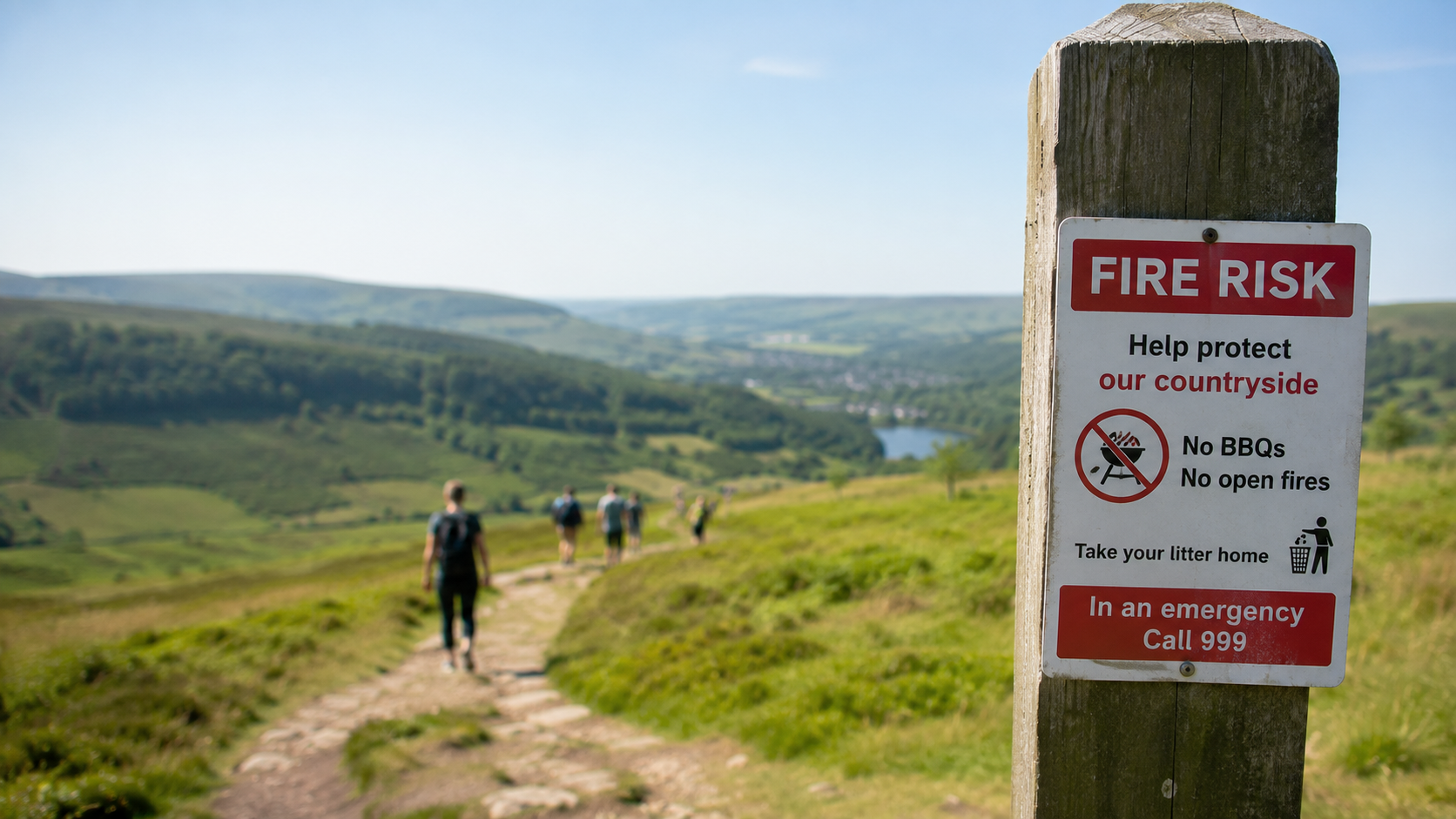
As the British summer brings longer days and soaring temperatures to Lancashire, our beautiful landscapes, from the West Pennine Moors to local parks in Chorley, become popular destinations for residents and visitors alike. However, warmer weather also increases the risk of grass and moorland fires, making it more important than ever for everyone to act responsibly. Understanding the risks and taking simple precautions can help protect our communities, our countryside and the emergency services that work tirelessly to keep us safe.
The Growing Risk of Wildfires in the UK
In recent years, the United Kingdom has seen a marked increase in the frequency and intensity of wildfires during the summer months. According to Home Office statistics, Fire and Rescue Services across England attended over 90,000 secondary fires (including grassland, heathland and outdoor fires) in the year ending March 2023, many of which were preventable.
In Lancashire, our moorlands are particularly vulnerable. Dry grass and peat can ignite from even the smallest spark, allowing fires to spread rapidly and making them extremely difficult to extinguish. The ground is often much drier than it appears, particularly after prolonged periods without rain.
During extended spells of dry weather, Lancashire Fire and Rescue Service crews often face increased demand as they tackle fires in remote areas that can be difficult to access. By understanding the risks and taking sensible precautions, we can all help prevent these incidents before they start.
Essential Precautions for Outdoor Activities
Enjoying the great outdoors is one of the highlights of summer in Lancashire, but it comes with a responsibility to protect our natural environment. The Countryside Code provides clear guidance on how everyone can help reduce the risk of fires.
The Danger of Disposable Barbecues
One of the leading causes of moorland and parkland fires is the misuse of disposable barbecues. These items retain heat long after they appear to have cooled and can easily ignite dry grass beneath them.
Many local authorities in Lancashire, including Chorley Council, have introduced Public Spaces Protection Orders (PSPOs) that prohibit barbecues and open fires in certain locations such as Rivington and the West Pennine Moors. Always check local regulations before planning an outdoor meal.
Breaching these restrictions can result in a Fixed Penalty Notice of up to £100 or fines of up to £1,000 if prosecuted, but the greatest cost is often the lasting environmental damage caused by preventable fires.
Waste Disposal and Glass Hazards
Discarded glass bottles can act like magnifying glasses in direct sunlight, focusing heat onto dry vegetation and potentially starting fires.
Taking all litter home or disposing of it in secure bins is a simple but effective way to reduce the risk of fires and protect our countryside. Smoking materials should always be fully extinguished and never thrown from vehicles or left on the ground.
Protecting Your Home and Garden
Fire safety isn't limited to the countryside. During prolonged dry weather, gardens can become highly flammable, particularly where there are wooden fences, sheds, decking or dry hedges.
Safe Gardening Practices
Avoid bonfires. During periods of hot, dry weather, avoid lighting garden bonfires as sparks and embers can easily spread.
Store flammable liquids safely. Petrol for lawnmowers and other fuels should be kept in a cool, well-ventilated place away from direct sunlight.
Maintain your garden. Trim hedges and remove dry leaves, grass cuttings and other debris that could fuel a fire.
Barbecue Safety at Home
If you're using a barbecue at home, place it on a flat, non-combustible surface well away from fences, sheds and overhanging branches. Never leave it unattended, and always keep a bucket of water, sand or a garden hose nearby in case of emergency.
Supporting Lancashire Fire and Rescue Service
Lancashire Fire and Rescue Service works tirelessly to protect our communities, but periods of hot weather place additional pressure on crews responding to grass fires and other seasonal incidents.
When to Call 999
If you discover a fire in the countryside, do not attempt to tackle it yourself. Move to a safe location and call 999 immediately.
If possible, provide an accurate location. Apps such as What3Words can help emergency services locate incidents quickly, particularly in remote rural areas. Be ready to describe the size of the fire, what's burning and whether anyone is at risk.
Avoiding False Alarms
While it's important to report genuine emergencies, it's also useful to understand what's normal. In England, the legal burning season for heather and grass generally runs between 1 October and 15 April under the Heather and Grass etc. Burning (England) Regulations 2021.
If you see smoke coming from moorland during the summer months, it is unlikely to be part of a legal controlled burn and should be reported to the emergency services.
Health and Wellbeing During Heatwaves
Summer safety isn't just about preventing fires. High temperatures can also affect your health.
The NHS advises that heat exhaustion and heatstroke are serious risks during hot weather. Symptoms include headaches, dizziness, excessive sweating, tiredness and loss of appetite.
To reduce your risk:
Drink plenty of fluids.
Stay out of direct sunlight during the hottest part of the day (11am to 3pm).
Wear light clothing and use sunscreen.
Check on elderly neighbours, relatives and anyone who may be vulnerable.
Looking after ourselves and taking sensible precautions helps reduce pressure on emergency services while creating a safer and more resilient community.
How Citizens Advice Lancashire West Can Help
At Citizens Advice Lancashire West, we understand that incidents during the summer can sometimes lead to wider concerns. Whether you're dealing with the aftermath of a property fire, have questions about insurance, or need guidance on local regulations, we're here to help.
Our service is free, confidential and impartial.
We can provide advice on:
Insurance disputes – If your property has been damaged by fire and you're experiencing difficulties with an insurance claim.
Local regulations – Understanding local rules regarding barbecues, open fires and Public Spaces Protection Orders.
Reporting concerns – How to report environmental hazards, fly-tipping or other issues that could increase fire risks.
Conclusion
Summer is a wonderful time to enjoy everything Lancashire has to offer, but it also brings greater responsibility. By taking simple precautions—avoiding disposable barbecues in restricted areas, disposing of litter responsibly, protecting your home and staying aware of the risks—we can all help safeguard our communities and our countryside.
By respecting local restrictions, looking out for one another and acting responsibly, we can help keep Lancashire safe throughout the summer. If you need advice or information on any of the topics covered, Citizens Advice Lancashire West is here to help.