
UK Parking Fines 2026: How to Appeal, Pay, and Avoid Penalties
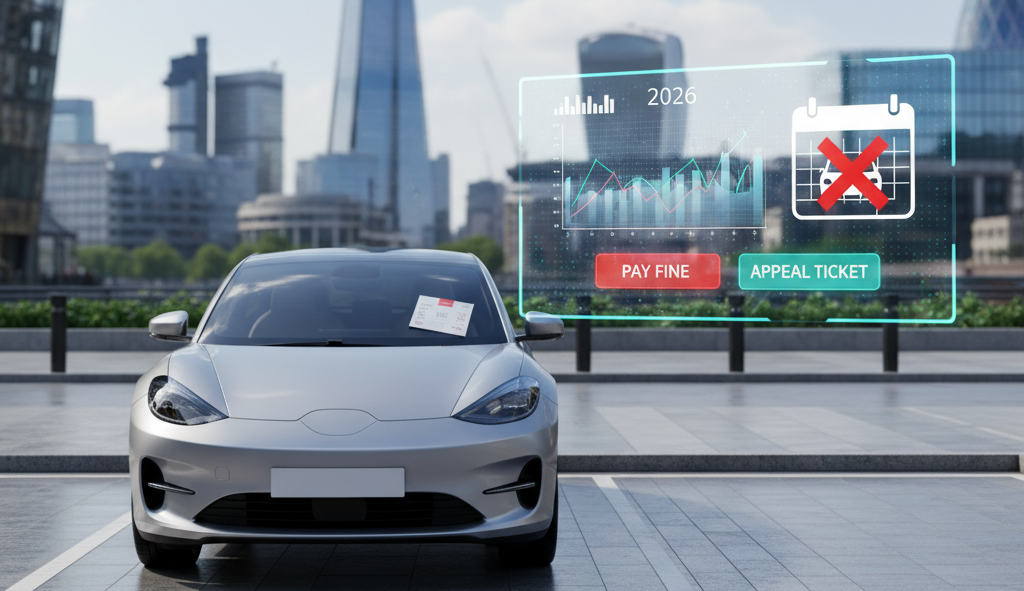
Let’s face it: there are few things more frustrating than returning to your car only to find that dreaded yellow plastic envelope tucked under your windscreen wiper. As of 2026, parking fines in the UK remain one of the most common headaches for motorists, but the landscape of enforcement has shifted significantly. Whether you have received a council-issued Penalty Charge Notice (PCN) or a charge from a private operator, understanding your rights is essential to avoid overpaying. With the Private Parking Code of Practice now in full effect this year, navigating the world of parking enforcement requires up-to-date knowledge. This guide breaks down everything you need to know about managing your tickets in 2026.
Understanding the Different Types of Parking Fines
Not all tickets are created equal. In the United Kingdom, the rules and your rights to appeal depend entirely on who issued the notice. As of June 2026, there are three primary categories you need to be aware of:
1. Penalty Charge Notices (PCN)
These are the most common and are issued by local councils or Transport for London (TfL) for parking on public land, such as high streets or council-run car parks. These are civil matters, not criminal. According to current 2026 Department for Transport guidelines, these are usually enforced by Civil Enforcement Officers (CEOs).
2. Fixed Penalty Notices (FPN)
Issued by the police for more serious offences, such as parking in a way that obstructs the road or creates a danger to others. Unlike a PCN, an FPN is an offer to settle the matter without going to court; however, if ignored, the case can lead to prosecution and a criminal record upon conviction.
3. Parking Charge Notices
Despite the similar name, these are issued by private companies (like those managing supermarket or hospital car parks). These are technically invoices for a perceived breach of contract. As of 2026, these are strictly governed by the Private Parking Code of Practice, which has introduced a single, government-sanctioned appeals service.
Current 2026 Parking Fine Rates and Penalties
The cost of parking fines has seen adjustments to keep pace with inflation and urban management goals. As of June 2026, the following rates typically apply across the UK:
London (TfL and Boroughs): Higher-level contraventions (like parking on double yellow lines) are currently capped at £160, while lower-level offences (like overstaying in a bay) are £80 (rates vary by borough and band — check local council websites for specific tiers).
Outside London: Most councils charge £70 for serious offences and £50 for minor ones, reduced by 50% for prompt payment.
Private Land: Under the Private Parking Code of Practice, private charges are generally capped at £100, though this is reduced to £50 in most areas if paid promptly (excluding the most serious breaches).
Pro Tip: In almost all cases involving a council PCN, if you pay within 14 days, the fine is reduced by 50%. In 2026, this remains the most common way motorists settle their debts quickly.
The 10-Minute Grace Period: Your Rights in 2026
One of the most important protections for UK drivers is the statutory 10-minute grace period. According to the Deregulation Act 2015 and the 2026 Private Parking Code of Practice, both local authorities and private parking operators must allow you 10 minutes of leeway after your paid parking time expires or after a free parking period ends in a designated bay. If you are issued a ticket at 2:09 PM for a ticket that expired at 2:00 PM in a legal bay, you have a very strong case for an immediate cancellation.
How to Appeal a Parking Fine: Step-by-Step
If you believe a fine has been issued unfairly, do not pay it immediately. Paying is usually seen as an admission of liability, which makes it much harder to get your money back later. Instead, follow this 2026-validated appeal process:
Step 1: Gather Evidence
Take photos of your car, the parking signs (check for hidden or obscured text), the ticket itself, and any faulty payment machines. If you have GPS data or dashcam footage from June 2026, keep it safe.
Step 2: The Informal Challenge
For council tickets, you usually have 14 days to make an informal challenge. If you do this and it is rejected, the council will usually reset the 14-day clock, allowing you to still pay at the 50% discounted rate.
Step 3: The Formal Representation
If your informal challenge is rejected, you will receive a 'Notice to Owner'. You can then make a formal representation. You must state your grounds clearly, such as 'the signage was misleading' or 'the vehicle was stolen'.
Step 4: Independent Adjudication
If the council still refuses, you can take your case to an independent body. In England and Wales, this is the Traffic Penalty Tribunal; in London, it is London Tribunals. These services are free for motorists, and according to latest annual reports, more than 50% of cases taken to adjudication are won by the driver.
Private Parking Fines: The New 2026 Code of Practice
The private parking industry saw a massive overhaul leading into 2026. The new Code of Practice has introduced:
Clearer signage requirements to prevent 'hidden' terms.
A mandatory cooling-off period for motorists who change their mind shortly after entering a car park.
A single, independent appeals service (the Appeals Service for Private Parking).
Harsh penalties for firms that use aggressive debt collection tactics.
If a private firm breaches this code in 2026, they risk losing their access to the DVLA database, effectively ending their ability to issue fines.
Common Grounds for a Successful Appeal
According to Traffic Penalty Tribunal data (2026), the following reasons are most likely to result in a successful appeal:
Unclear Signage: If the signs are obscured by trees, poorly lit, or use confusing language.
Mitigating Circumstances: Such as a medical emergency or a vehicle breakdown (provide a garage receipt as proof).
Administrative Errors: Incorrect vehicle registration marks (VRM) or the wrong date/time on the ticket.
Faulty Equipment: If the only available payment machine was out of order and no alternative (app/phone) was reasonably accessible.
Conclusion
While receiving parking fines is never a pleasant experience, the 2026 regulatory environment in the United Kingdom provides more protection for motorists than ever before. By knowing the difference between a PCN and a private charge, utilizing the 10-minute grace period, and following the formal appeal process, you can ensure that you are treated fairly on the road. Always remember: evidence is your best friend. If you’ve been ticketed unfairly, don't be afraid to stand your ground and challenge it through the official channels. For more advice on vehicle ownership and UK road laws, stay tuned to our latest updates.
Sources
gov.uk - Parking fines and personal data
Transport for London (TfL) - Penalty Charge Notices
Traffic Penalty Tribunal - Annual Report 2026
Ministry of Housing, Communities & Local Government - Private Parking Code of Practice 2026
London Tribunals - Environment and Traffic Adjudicators Annual Statistics 2026
The Appeals Service for Private Parking - Case Studies 2026