
Navigating the Challenges of Home Renovations and Trader Disputes
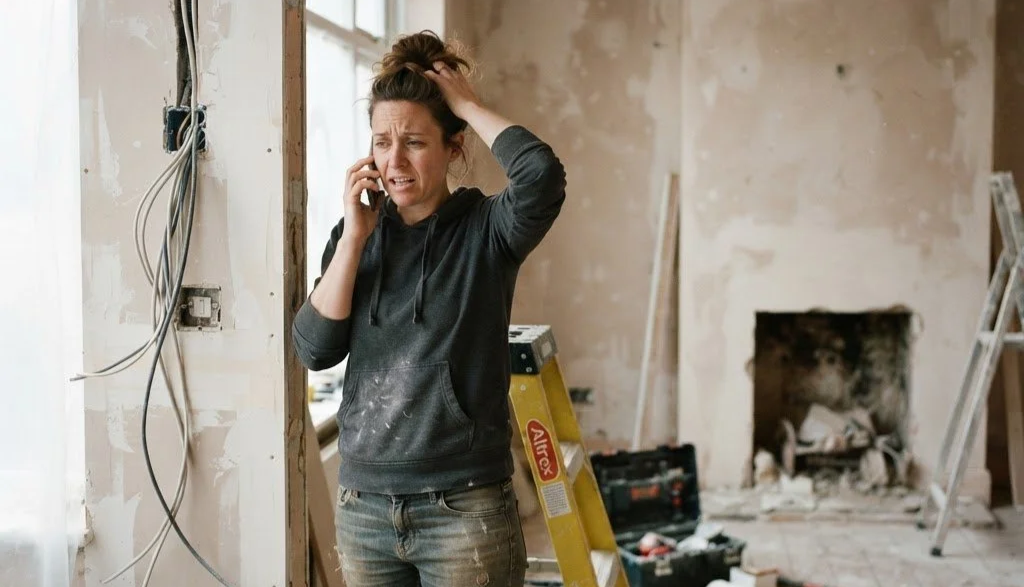
Maintaining a property is often the most significant investment a person will make. However, for millions of people across the country, maintaining that investment has become a source of immense stress. Research from Citizens Advice reveals that home repair problems affected one in four homeowners who had work carried out in an 18-month period, highlighting a growing crisis of trust and quality in the domestic repair market.
In the 18 months leading up to the study, an estimated 4.8 million homeowners faced significant issues with work carried out on their properties. These problems range from minor snags to catastrophic structural failures, leaving many to navigate a complex and often unregulated landscape to seek justice. For those in Lancashire and across the UK, understanding your rights is the first step in preventing a routine upgrade from turning into a financial nightmare.
The Financial and Emotional Cost of Substandard Work
The impact of home repair problems is rarely just physical. The financial burden can be devastating. On average, homeowners who had to pay extra to rectify poor workmanship or address overcharging lost approximately £750. However, for nearly one in ten people (9%), these costs escalated to over £5,000, often wiping out hard-earned savings or forcing families into debt.
Beyond the bank balance, the emotional toll is significant. According to data from the Citizens Advice Consumer Service, which handled nearly 37,000 complaints related to home maintenance and repairs in a single year, more than a third of affected homeowners reported feeling stressed. More concerningly, 12% said the poor quality of work made them feel unsafe in their own homes. Whether it is faulty wiring, unstable roofing, or incomplete structural work, the loss of sanctuary is a heavy price to pay for a failed renovation project.
Why Homeowners Are Losing Trust in the Market
The prevalence of these issues has led to a significant erosion of trust. Many people are now so wary of rogue traders that they are changing their behaviour entirely. Research indicates that 28% of homeowners chose to carry out repairs themselves because they did not believe they could find a trustworthy professional. A further 26% delayed or avoided essential maintenance altogether for the same reason.
This lack of trust is not necessarily due to a lack of due diligence. Citizens Advice found that even those who conducted extensive checks were not always protected from home repair problems. The current market often relies on informal recommendations, with 36% of people finding traders through word-of-mouth. While personal referrals can be helpful, they lack the formal protections offered by accredited schemes. Unfortunately, even when homeowners try to use approved or accredited traders, one in five (21%) reported finding it difficult to verify their credentials, highlighting a need for a more transparent, centralised system of regulation.
Common Home Repair Problems and High-Risk Projects
While any job can go wrong, certain types of work consistently generate more complaints than others. Homeowners should exercise extra caution when commissioning the following:
Energy Efficiency Improvements: This includes the installation of solar panels, heat pumps, and insulation. This sector has seen a rise in high-pressure sales and substandard installations as demand for greener homes grows.
Room Renovations and Installations: Kitchen and bathroom refits are frequent sources of disputes, often involving plumbing issues or poor finishing.
External Walls and Roofing: These projects are critical to the structural integrity of a home, yet they remain among the most commonly cited areas for disputes and safety concerns.
Barriers to Resolution: Why Is It So Hard to Get Justice?
One of the most frustrating aspects of experiencing home repair problems is the difficulty in resolving them. Of those who attempted to take action against a trader, 82% faced significant barriers. Common obstacles include:
Lack of Communication: 16% of consumers reported being ignored by the trader once a problem was raised.
Protracted Processes: One in five said the dispute resolution process took an unacceptably long time.
Knowledge Gaps: 15% of homeowners did not know how to escalate their complaint beyond the trader themselves.
Currently, Alternative Dispute Resolution (ADR) in the home repair sector is largely voluntary. This means that if a trader refuses to engage with an ADR scheme, the consumer is often left with the prospect of taking legal action through the County Court (often referred to as the Small Claims Court in England and Wales).
How to Protect Yourself Before Work Begins
Prevention is always better than cure. To minimise the risk of encountering home repair problems, consider these essential steps before hiring any trader:
1. Use Government-Endorsed Standards
Look for traders registered with TrustMark, the government-endorsed quality scheme. Members are vetted for their technical competence and customer service. Additionally, for specific trades, ensure they belong to relevant bodies such as Gas Safe Register (for gas work) or NICEIC/NAPIT (for electrical work).
2. Get Detailed Written Quotes
Never rely on a verbal estimate. Request a detailed, written quote that breaks down the cost of materials and labour. Ensure the quote includes a clear description of the work to be completed, timescales, and a payment schedule.
3. Be Wary of Large Upfront Payments
Avoid traders who demand the full balance or a large cash deposit before work starts. A reasonable deposit is standard, but the majority of the payment should be withheld until the work is completed to a satisfactory standard.
4. Use Protected Payment Methods
If the work costs more than £100 (and up to £30,000), try to pay at least a portion of it (even just £1) on a credit card. Under Section 75 of the Consumer Credit Act 1974, your credit card provider is jointly and severally liable with the trader if the work is not carried out or is in breach of contract. This provides a vital safety net for homeowners.
What to Do If Things Go Wrong
If you are currently facing home repair problems, follow these steps to seek a resolution:
Contact the Trader Directly: In the first instance, give the trader a chance to put things right. Do this in writing (email or letter) so you have a record of the communication. Specify exactly what the issue is and what you expect them to do under the Consumer Rights Act 2015.
Check for Trade Association Membership: If the trader is a member of a trade body, contact that organisation. They often have dispute resolution services or codes of practice that the trader must follow.
Alternative Dispute Resolution (ADR): Check if the trader is willing to use an ADR scheme. This is a faster and cheaper way to resolve disputes than going to court.
Report to Trading Standards: If you believe the trader has acted dishonestly or breached consumer law, report them to Trading Standards via the Citizens Advice Consumer Service.
Support from Citizens Advice Lancashire West
At Citizens Advice Lancashire West, we understand how distressing home repair problems can be. As part of the national Citizens Advice network, we provide free, confidential, and impartial advice to residents in Chorley and the surrounding areas. Whether you need help drafting a letter of complaint, understanding your rights under the Consumer Rights Act 2015, or navigating the small claims process, our dedicated team is here to support you.
We are joining the national call for stronger consumer protections, including mandatory licensing for traders and a single register to raise industry standards. No one should be left to fend for themselves when a home repair goes wrong.
Conclusion
Home repair problems are an all-too-common reality for UK homeowners, but you do not have to face them alone. By taking proactive steps to vet traders and knowing your legal rights, you can protect your home and your finances. If you are struggling with a dispute, contact Citizens Advice Lancashire West today for expert guidance tailored to your situation. Together, we can hold substandard traders to account and ensure your home remains a safe and secure place to live.
Sources
Citizens Advice: "Home repair problems hit one in four homeowners" (July 2024)
Citizens Advice Consumer Service Data (2023-24)
Gov.uk: "Hiring a contractor - your rights"
Consumer Credit Act 1974 (Section 75)
Consumer Rights Act 2015
TrustMark Government Endorsed Quality Scheme