
Navigating the Fashion Purchase Minefield: What to Do When Your Order Goes Awry
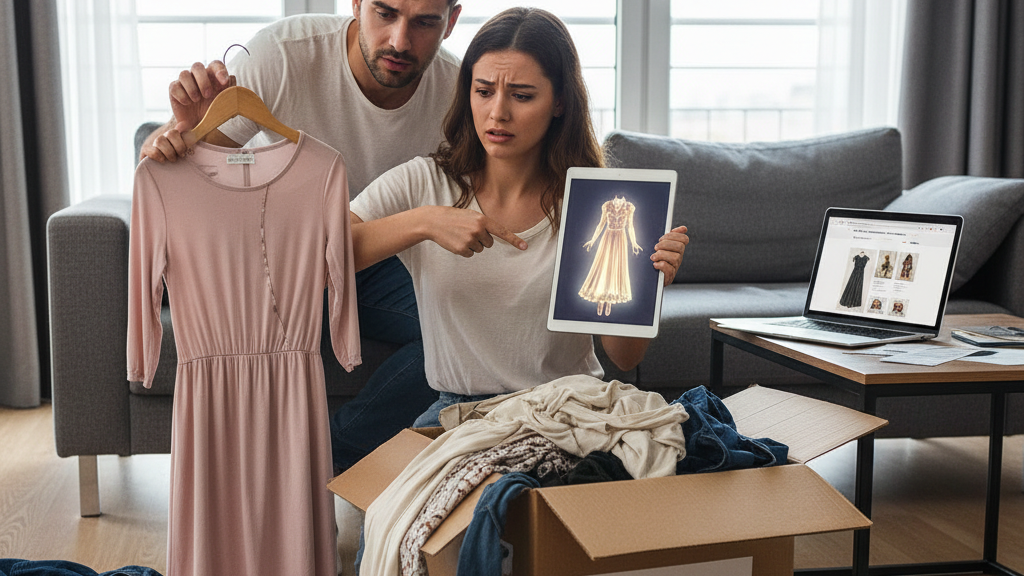
In the digital age, a vast array of shopping options has never been more accessible. Among these, the fashion realm has seen a meteoric rise in online transactions, particularly as virtual storefronts have sprung up faster than ever. However, this newfound convenience comes with a catch, an alarming increase in complaints regarding orders placed for clothes and shoes. In fact, recent data revealed that Citizens Advice received nearly 18,000 complaints related to fashion purchases in 2025, marking a staggering 21% increase from the previous year. With approximately 82% of these complaints attributed to online orders and women's clothing accounting for nearly half of the issues reported, consumers are facing a daunting challenge navigating this dynamic landscape.
Amid this whirlwind of online shopping, a particularly insidious threat has emerged: dropshipping scams. Known for charging exorbitant prices for poor-quality items while utilising AI-generated images that bear little resemblance to the products being delivered, these harmful practices are leaving many frustrated and out of pocket. Let's delve into the practical steps you can take if your order goes wrong, as well as what you need to know to protect yourself from these fraudulent schemes.
Understanding Dropshipping Scams
At the heart of many online shopping grievances lies the dropshipping model, where retailers sell products they do not physically stock. Instead, they advertise items sourced from third-party suppliers and ship directly to consumers. While this business model can be legitimate, it often becomes a breeding ground for deceptive practices. Scammers take advantage of unsuspecting shoppers by flooding the internet with fabricated listings that feature glamorous AI-generated photos, creating an alluring facade that many consumers fall prey to.
This artificially curated marketplace not only leads to a disconnect between the product advertised and what ultimately arrives at your doorstep, but it also breeds distrust among consumers who believe that they are purchasing quality items. A recent report noted that the rise in complaints is partly attributed to this deceptive practice — a concerning indicator that online shoppers need to be increasingly vigilant.
The Steps to Take When Your Order Goes Wrong
So, what happens when you find yourself on the receiving end of a disappointing purchase, whether it’s a pair of shoes that don’t fit or a dress that looks nothing like the image presented? Here are the critical steps you can take:
1. Document Everything
As soon as the issue arises, take a moment to document the transaction and the item in question. Capture screenshots of the product listing, noting down any discrepancies between what you ordered and what you received. Take photographs of the item, focusing on any flaws or aspects that fail to meet your expectations. This evidence will serve as invaluable support should you need to lodge a complaint.
2. Check Your Consumer Rights
In the UK, the Consumer Rights Act 2015 provides robust protection against unsatisfactory goods and misleading sales practices. Under this legislation, items must be of satisfactory quality, fit for purpose, and as described. If your order fails to meet these criteria, you are well within your rights to seek a refund or exchange. Familiarising yourself with these rights gives you the confidence to pursue a resolution.
3. Contact the Seller
Your next step is to reach out to the seller directly. Many legitimate online retailers have robust customer service teams ready to assist with disputes. Present your evidence clearly and professionally, and explain your case succinctly. Whether you are requesting a refund, exchange, or a replacement, a calm and articulate approach can often yield positive results.
4. Initiate a Chargeback or Dispute
If the seller is unresponsive or unwilling to assist you, don’t despair. If you paid using a credit or debit card, consider initiating a chargeback through your bank. This process can help you reclaim your funds when products are not delivered as promised or are of inferior quality. Familiarise yourself with your bank’s policies to determine their specific procedure.
5. Report the Incident
Lastly, report the incident to relevant authorities. Agencies like Citizens Advice or the Advertising Standards Authority (ASA) are dedicated to addressing deceptive online practices and can take action against fraudulent sellers. By reporting your experience, you can help protect other consumers from facing similar situations.
Recognising Red Flags Before You Buy
While the steps outlined above are crucial when things go wrong, prevention is the most effective strategy in the first place. Here are some red flags to watch out for when shopping online:
Unrealistic Pricing: If a deal seems too good to be true, it probably is. Brands that typically sell for a premium shouldn’t appear at a fraction of their original price without reason.
Ignoring Customer Reviews: Take the time to research reviews from other buyers. Retailers with little to no feedback or with a starkly high number of negative reviews may signify a pending disaster.
Professional Quality of Images: If an online listing features images that look overly polished, take it as a caution. Examine user-generated content or look for websites that allow customers to post their own photos — a reliable indicator of credibility.
Absence of Contact Information: Legitimate retailers should clearly provide their contact details, enabling you to get in touch should any issues arise. If there's no information available, steer clear.
The Consumer’s Role in Curbing Scams
Understanding the tools at your disposal is essential, but so is awareness and responsibility as consumers. Participating in responsible shopping practices by critically evaluating online operations not only safeguards your personal interests but also helps compel retailers to uphold higher standards. When consumers collectively demand transparency and quality, they can change the industry for the better.
Conclusion: Empowering Yourself in the Digital Marketplace
As the digital shopping landscape continues to evolve, staying informed is essential for avoiding the pitfalls of poor-quality purchases. By understanding how dropshipping scams operate, knowing your consumer rights, and being diligent in documenting your transactions, you can take meaningful steps should an order go wrong.
Ultimately, if you encounter issues with your clothing and footwear purchases, you’re not alone. With industry complaints surging, it’s time to reclaim control over your shopping experience. Remain vigilant, protect your rights, and encourage transparency in the marketplace by sharing your experiences and demanding better service. Remember, informed consumers are powerful forces for change in an ever-shifting fashion landscape.